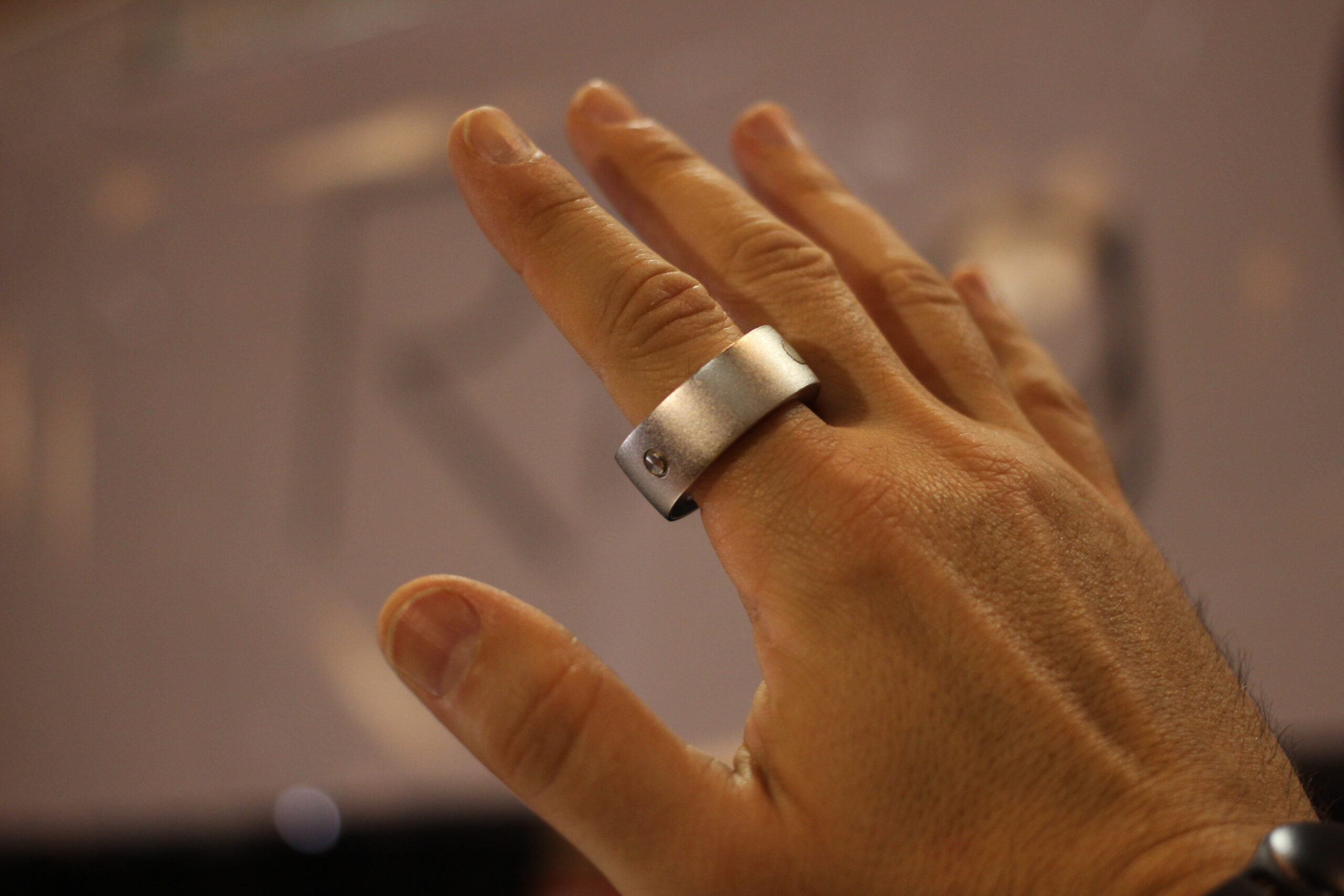
In a world where our hands have become essential tools for navigating the digital realm, our bodies remain remarkably underutilized. However, the rise of gesture control interfaces promises to revolutionize the way we interact with devices, liberating us from the restrictions of physical touch. With a simple wave or a flick of the wrist, we are entering an era of hands-free interaction that seamlessly blends science fiction with reality. Buckle up as we embark on a journey through the captivating world of gesture control interfaces, where the power of our movements unlocks a realm of limitless possibilities.
The Evolution of Gesture Control Interfaces: Revolutionizing Hands-Free Interaction
In the realm of technological advancements, gesture control interfaces have emerged as a groundbreaking innovation, progressively transforming the way we interact with various devices and systems. By eliminating the need for physical contact and introducing intuitive gestures as the primary mode of input, gesture control interfaces have opened up a new realm of possibilities for a hands-free future.
From the humble beginnings of basic hand movements detected by early cameras, gesture control interfaces have evolved into sophisticated systems that can recognize a multitude of gestures with high precision. These interfaces employ cutting-edge technology, including advanced algorithms, computer vision, and machine learning, to interpret human movements accurately and seamlessly translate them into commands. As a result, users can control smart devices, navigate through virtual environments, and interact with augmented reality applications effortlessly, invoking commands through gestures that foster a more natural and immersive experience.
The continuous evolution of gesture control interfaces has witnessed remarkable milestones, enabling a wide range of industries to leverage this innovative technology. Some notable advancements include:
- Expanded Gesture Vocabulary: Gesture control interfaces have expanded their repertoire by recognizing an ever-growing library of distinct gestures, enabling users to express their intentions more effectively.
- Enhanced Sensing Technology: With the utilization of advanced sensors like depth cameras and 3D motion trackers, gesture control interfaces can now capture intricate hand movements and subtle nuances, delivering higher accuracy and responsiveness.
- Integration of AI: Artificial intelligence has played a significant role in refining gesture recognition by enhancing algorithms, enabling systems to learn and adapt to individual user traits, further personalizing and optimizing the interaction experience.
Embracing the evolution of gesture control interfaces brings us a step closer to a future where touch-free interactions are not only a possibility but a necessity. As technology continues to progress, these interfaces have the potential to revolutionize how we interact with devices, making it easier, more intuitive, and undoubtedly hands-free.

Enhancing User Experience through Gesture Control Interfaces: A Comprehensive Review
Exploring the World of Gesture Control: Endless Possibilities
As technology continues to advance at an incredible pace, gesture control interfaces have emerged as a groundbreaking way to enhance user experiences across various domains. These interfaces enable users to interact with devices and applications simply by using natural gestures, eliminating the need for physical touch or traditional input methods. With their ability to add an element of intuitiveness and fluidity, gesture control interfaces are revolutionizing the way we engage with technology.
One of the most prominent advantages of gesture control interfaces is their ability to provide a more immersive experience. By allowing users to effortlessly control devices and applications through hand movements, these interfaces create an unparalleled sense of presence and interactivity. From gaming to virtual reality, gesture control brings a whole new dimension to the user experience, allowing individuals to feel more connected and actively involved in the digital realm.
- Enhanced Accessibility: Gesture control interfaces cater to a wide range of users, particularly those with physical disabilities who may have difficulty using traditional input methods, such as keyboards or mice.
- Intuitive Interactions: With gesture control, users can interact with technology in a more natural way, making it easier to navigate through menus, manipulate objects, and perform gestures that mimic real-world actions.
- Effortless Navigation: Gesture control interfaces eliminate the need for physical touch, reducing strain on the body and providing a more comfortable and effortless user experience.
With its undeniable potential, gesture control has evolved beyond a mere novelty, becoming an integral part of modern user experiences. This comprehensive review delves into the various aspects of gesture control interfaces, exploring their benefits, challenges, and future developments. By understanding the capabilities and limitations of gesture control, we can harness its power to create exceptional user experiences that push the boundaries of technology.

Guidelines for Designing Effective Gesture Control Interfaces: Key Considerations and Best Practices
Consider User Capabilities and Limitations:
When designing gesture control interfaces, it is essential to understand the abilities and limitations of the target users. Consider factors such as age, physical abilities, and technological familiarity. Design gestures that are intuitive and user-friendly to cater to the diverse range of users. Conduct user research and usability testing to ensure that the gestures are accessible to all users, regardless of their physical or cognitive limitations.
Ensure Clear and Consistent Gesture Feedback:
Providing clear and consistent feedback is crucial for an effective gesture control interface. Users should receive visual, auditory, or haptic feedback that confirms their gesture input. Clearly indicate the start and end points of each gesture, and ensure that the system responds promptly to the user’s actions. Consistency in the feedback across different tasks and interfaces helps users build mental models, reducing cognitive load and improving efficiency. Utilize visual cues such as animations or color changes to communicate the system’s response to the user’s gestures.

Exploring the Future Potential of Gesture Control Interfaces: Innovations and Opportunities
Gesture control interfaces have rapidly emerged as a groundbreaking technology, captivating both consumers and industries alike. With advancements in computer vision and machine learning, the future holds tremendous potential for these interfaces to redefine human-computer interactions. This post delves into the ever-expanding horizons of gesture control, shedding light on the latest innovations and exploring exciting opportunities that lie ahead.
1. Innovative Applications: Gesture control interfaces have already demonstrated their prowess across various domains. From gaming and entertainment to healthcare and automotive, the possibilities are endless. Imagine effortlessly navigating virtual worlds, controlling smart homes with a flick of your wrist, or even performing robotic surgeries with enhanced precision and dexterity.
2. Enhanced User Experience: With gesture control, the barriers between humans and machines begin to blur. By eliminating the need for physical touch or input devices, interfaces become more intuitive and convenient for users. Think of the freedom of controlling devices with simple hand movements or immersive experiences where your body becomes the controller itself.
Key Takeaways
As we navigate through the digital realm, technology continues to evolve alongside our desires for seamless and intuitive interactions. Gesture control interfaces, emerging as a key innovation, offer a glimpse into a future where devices respond effortlessly to the fluidity of our movements. With the tap of a finger or the wave of a hand, we can now break free from the confinement of physical touch and embrace a hands-free way of engaging with technology.
The possibilities that gesture control interfaces bring to our lives are nothing short of mesmerizing. Picture this: effortlessly scrolling through a webpage by simply flicking your hand in the air, or adjusting the volume of your favorite tunes with a subtle pinch of your fingers. These interfaces not only enhance our experience but also open a gateway to new realms of creativity and interaction that were once confined to our imagination.
Breaking away from the traditional confines of buttons and switches, gesture control interfaces offer a level of freedom and connectivity that is both liberating and empowering. By harnessing the power of motion, these interfaces allow us to transcend the boundaries of time and space, effortlessly interacting with our devices from a distance. Whether it’s commanding a virtual assistant without lifting a finger or immersing ourselves in the world of augmented reality, gesture control interfaces are heralding a future where technology becomes an extension of ourselves.
While we celebrate the marvels of gesture control interfaces, we must also acknowledge the challenges that lie ahead. Like any emerging technology, there are hurdles to be overcome, from refining accuracy and responsiveness to addressing privacy concerns. However, with each iteration, we inch closer to a future where interacting with technology becomes second nature and where our devices seamlessly adapt to our ever-evolving needs.
In this rapidly advancing landscape, gesture control interfaces have ignited a spark of innovation, igniting our imaginations and propelling us towards a future where our devices finally understand and respond to us organically. As we embrace this hands-free era, we find ourselves at the threshold of a revolution that will redefine the way we connect, create, and communicate. With every gesture, we inch closer to a world where technology truly becomes an extension of our being—a world where the power to transform our digital experience rests in the palm of our hands, quite literally.